As an Amazon Associate, we earn from qualifying purchases. Some links may be affiliate links at no extra cost to you. Although our opinions are based on curated research, we haven't used these products. Articles generated with AI.

How To Clean Vinyl Records?

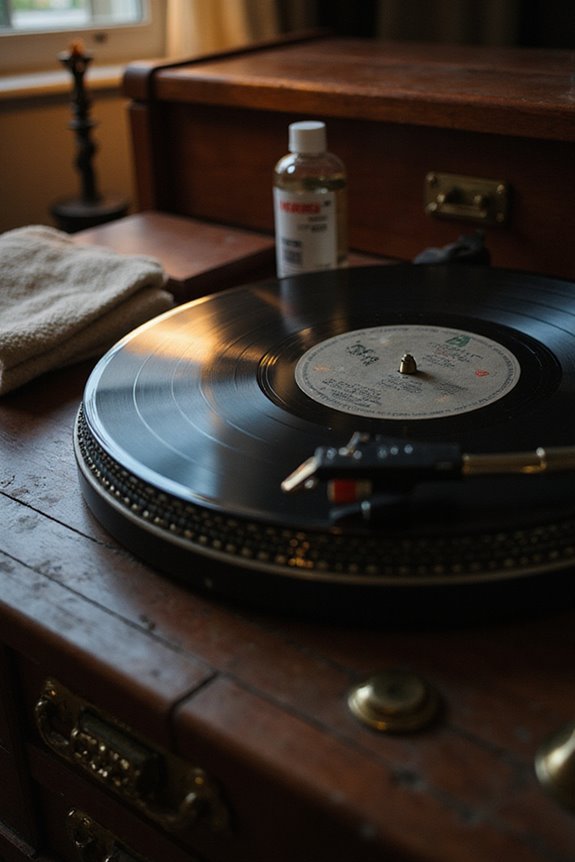
Cleaning vinyl records is essential for preserving their audio quality and extending their lifespan—just ask any vintage music lover who’s dealt with scratchy sounds! Start by inspecting the record’s surface under strong light, then use an anti-static brush to remove dust while holding it by the edges. A mix of distilled water and 70% isopropyl alcohol works wonders as a cleaning solution. After a gentle wash, rinse with deionized water for clear sound. There’s still plenty more I can share!
Key Takeaways
- Use an anti-static brush to remove dust before applying any cleaning solution.
- Opt for a homemade mix of distilled water and 70% isopropyl alcohol for effective cleaning.
- Gently brush the record in circular motions with a soft brush to clean the grooves.
- Rinse the record with deionized water and pat it dry carefully to prevent moisture damage.
- Store vinyl records upright in a cool, dry place to maintain their condition.
Importance of Cleaning Vinyl Records
You may be interested

When it comes to the world of vinyl records, cleaning them isn’t just a good idea—it’s essential. I can’t tell you how many times I’ve encountered records that seemed forgotten, coated in dust and grime, hidden gems just waiting to shine again. Regular cleaning frequency is vital; it helps preserve audio quality by eliminating dust that causes pops and clicks. Plus, maintaining clean grooves protects the physical integrity of each record, extending their lifespan considerably. The cleaning benefits are immense—your stylus will track better, and you’ll avoid the expensive hassle of more frequent replacements. Remember, a well-maintained vinyl collection not only sounds great but also keeps the nostalgia alive, allowing those vintage tracks to be truly enjoyed again.
Recommended Cleaning Methods
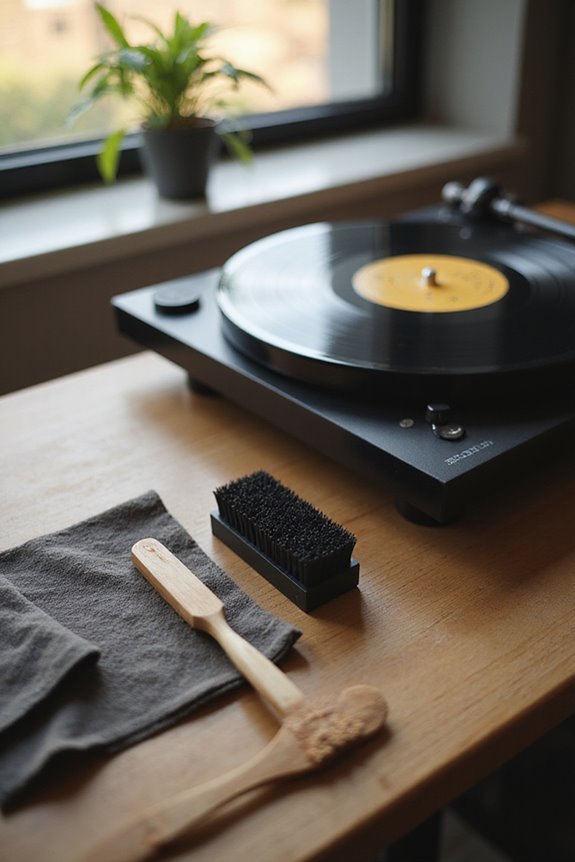
Though it might seem complicated, cleaning vinyl records is straightforward, especially when you know the right methods to use. Manual techniques like using a felt pad with a carbon brush can really help. Just use a stiff bristle to press cleaning solution into the grooves in a circular motion. If you want deeper cleaning, consider ultrasonic efficiency. Ultrasonic cleaners, like the Audio Desk Systeme, use sound waves to eliminate debris, ensuring a professional-level clean. You can tackle stubborn grime with isopropyl alcohol or surfactants that help your cleaning solution penetrate deeper. Don’t underestimate the power of glycol either—it keeps the surfactant adhered to grooves. With these approaches, you can enjoy clearer sound quality and a longer lifespan for your records!
Recommended Products
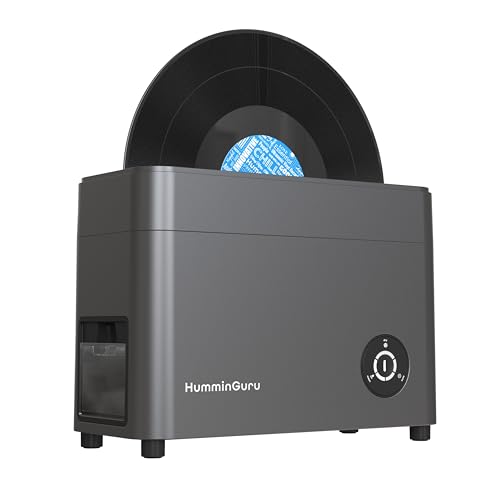
Audiophile-Safe 40kHz Ultrasonic Vinyl Record Cleaner: Engineered with dual transducers and a single-unit closed-loop stainless steel basin for maximum energy efficiency. With a precisely calibrated ratio of power, frequency, and 10mm proximity distance, it ensures maximum deep-groove dirt removal with zero risk of record damage. Acclaimed by leading audio publications and trusted by thousands of vinyl collectors worldwide, it delivers safe, contactless lp cleaning for long-term record preservation.

Premium Material: Constructed with high-grade 304 stainless steel, featuring an internal water tank size of 11.8 x 5.9 x 5.9 inches. Resistant to rust even after prolonged use, ensuring no liquid leakage. The stainless steel lid effectively prevents dust entry when not in use.

Premium SUS304 Material: Tank Size: 6L/1.59 Gal; Ultrasonic Power: 180W; Heating Power: 300W. This Sonic Cleaner is constructed with sturdy 304 stainless steel, ensuring no water leakage and long service life. A ball-shaped basket is available to decrease collision between sharp items and the tank.
Essential Cleaning Solutions
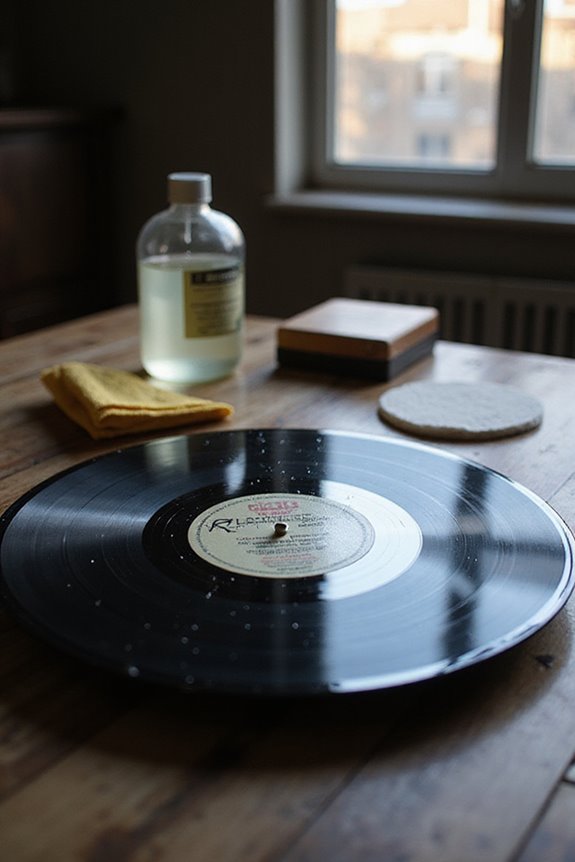
Cleaning vinyl records can be a rewarding endeavor, and choosing the right cleaning solution is essential to preserving your cherished collection. Historically, music lovers experimented with various concoctions to protect their records. Today, we have several effective cleaning solution types.
I recommend starting with a homemade mix of distilled water and isopropyl alcohol, ideally around 70%. Adding a wetting agent can help improve spread. Alternatively, you might prefer commercial options like Big Fudge or Record Friend, which boast specialized cleaning agents and preservatives. Just make sure to check that any solution is compatible with your equipment and safe for vinyl. Remember, the goal is to keep your records clean without causing any damage. Happy cleaning!
Recommended Products

【Remove Static & Dust】-- Vinyl record cleaning solution remove dust, debris, fingerprint, deep cleaning the record, and save you from the annoying pop and clicks. Anti-static formula can also remove static and reduce charge accumulation.

OFFICIAL REFILL FOR BIG FUDGE 4-in-1 RECORD CLEANING KIT - Don't settle for less. If you've purchased our Cleaning Products in the past, you know this stuff works wonders.

The Only Vinyl Cleaning Kit You'll Ever Need: extreme care & regular maintenance is paramount to every vinyl album collection, big or small. but when it comes to vinyl cleaning kits, this 4in1 vinyl care set stands out from all the rest as it provides all the efficient tools to clean, preserve, restore & protect your precious collection. our complete vinyl record cleaner kit comes with a velvet brush & cleaning fluid for your albums plus a cleaning gel for the turntable needle. Record cleaner
Step-by-Step Cleaning Process
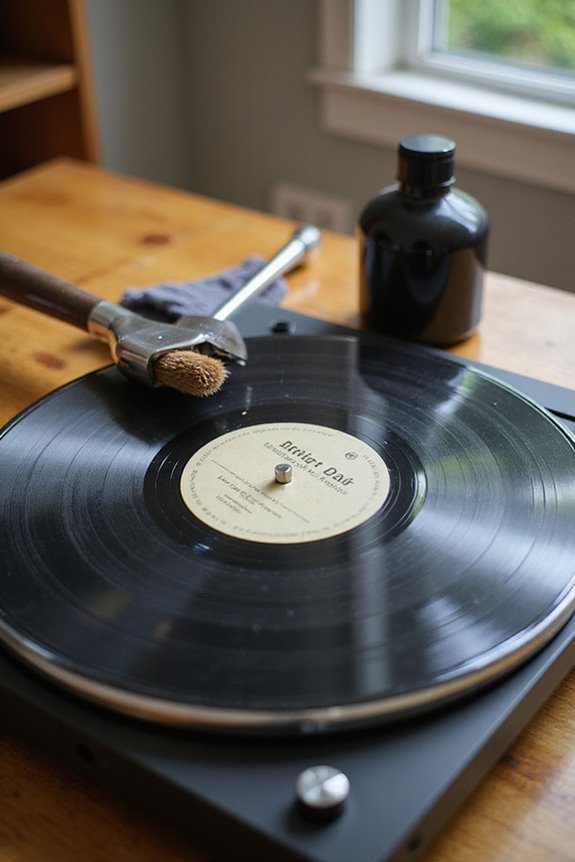
To give your vinyl records the care they deserve, following a step-by-step cleaning process is essential. I usually start by inspecting both surfaces under strong light for any visible dirt or fingerprints. Gently use an anti-static brush to remove dust, always holding the record by its edges—no one likes oily fingerprints! Next, I apply a cleaning solution on a soft brush, avoiding the label. With light pressure, I brush in circular motions, working the grooves carefully. After cleaning, I rinse the record with deionized water and pat it dry gently, ensuring moisture doesn’t linger. Remember, cleaning frequency helps maintain sound quality, so I recommend this process regularly. Proper techniques now mean fewer surprises during your listening sessions!
Recommended Products

Vinyl Cleaning Kit: Eliminate dust, dirt, and fingerprints with our ultra-soft velvet brush and XL cleaning solution in this vinyl cleaner, ensuring your favorite vinyl records play smoothly and maintain optimal sound

Clean and protect your vinyl collection — Our vinyl record cleaning kit is the simple and safe way to remove dirt, dust, grime and fingerprints from your records. Maximize your vinyl experience by restoring sound quality and enjoy pop, click and hiss-free listening.

ACHIEVE CRISP, CLEAR SOUND: This 5-in-one vinyl record cleaning kit includes all the benchmark essentials for a spotless and rich sounding collection. In this kit, you will receive (1) Velvet Brush (1) Microfiber Brush (1) Stylus Brush (1) bottle of Cleaning Solution and (1) handy Storage Pouch. With these tools, you’ll be able to tackle any cleaning session with ease and perfection.
Essential Cleaning Equipment
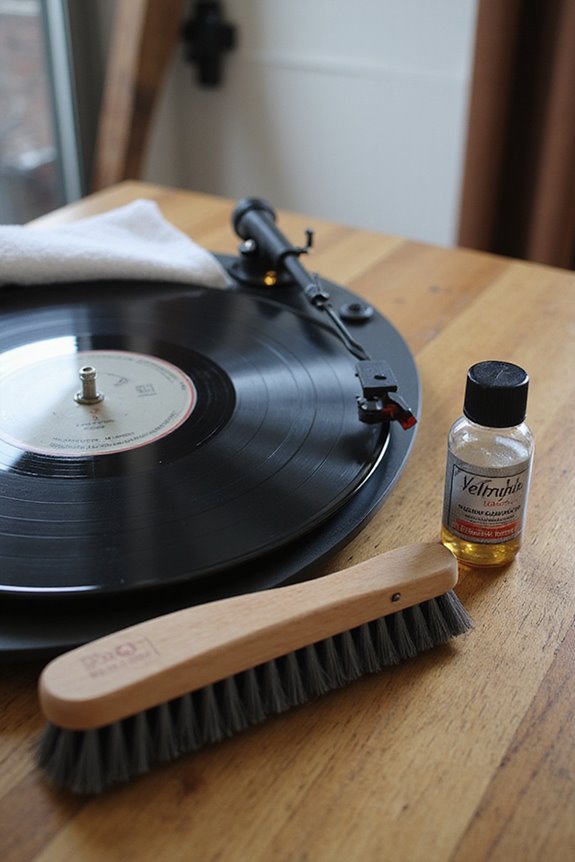
When you’re diving into the world of vinyl record care, having the right cleaning equipment is essential—there are at least five crucial tools that’ll set you up for success. First up is the anti-static brush, perfect for brushing away dust from those intricate grooves. You’ll also need an alcohol-free cleaning solution to avoid damaging your cherished records. A microfiber cloth is a must for gently wiping away any remnants after cleaning. Don’t forget a stylus brush for keeping your needle in top condition. Finally, a record cleaning fluid applicator helps you apply that solution evenly. For best results, consider your cleaning frequency and equipment selection to maintain your collection effectively, keeping it sounding as good as new for years to come!
Recommended Products
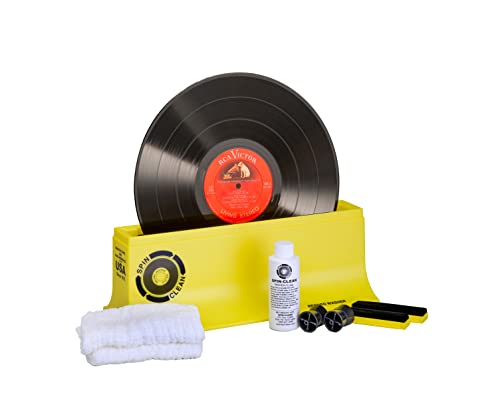
Effortless & Quite Dual-Sided Deep Cleaning: Clean both sides of your vinyl records simultaneously with ease. The vinyl record cleaner operates without power or complex installation, offering a quieter alternative to motorized vacuum systems, perfect for home record cleaning.

EVERYTHING YOU NEED - Make sure your prized albums stand the test of time with our vinyl record cleaning kit! It includes a 6.75 oz spray, a silicone protector, and an absorbent microfiber cloth.
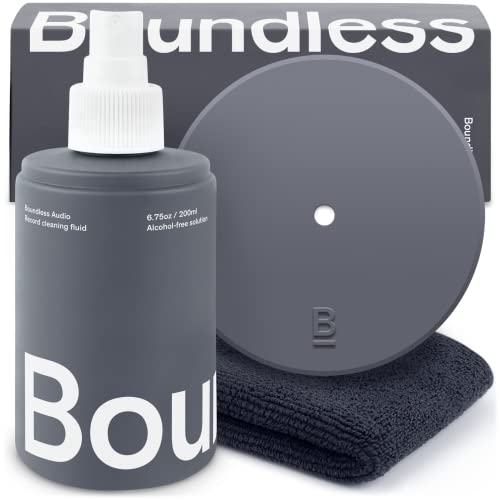
Safely clean and preserve your record collection — Our record cleaning fluid is safe to use on all types of vinyl (including shellac records). Contains modern anti-static agents and leaves no residue.
Proper Handling and Maintenance Tips
Proper handling and maintenance of vinyl records is essential for preserving their sound quality and longevity. It’s fascinating to think about how records, once the prime medium for music, require care to keep them spinning smoothly. When handling your precious vinyl, always grip the edges—this prevents oils from your fingers ruining those precious grooves. Keep your hands clean, or don some nitrile gloves to up your record handling game! Store your records upright in sturdy units to avoid warping, and maintain a cool, dry environment. Regularly check for dust and scratches by inspecting them often. Remember, a little preventive maintenance goes a long way—like using inner sleeves to keep those records dust-free. Happy listening!
Risks and Precautions to Consider
As vinyl records regained popularity in recent years, we’ve come to appreciate both their nostalgic charm and the unique sound quality they deliver. However, while engaging in cleaning techniques, it’s vital to recognize potential risks. Using isopropyl alcohol might leach out plasticizers from PVC if overused. I’ve learned the hard way that sticky residues left by certain fluids can gum up your stylus, so always rinse records properly. It’s important to avoid aggressive brushes, as they can scratch grooves instead of cleaning them. Keep your cleaning tools pristine too; otherwise, you might introduce contamination sources to your beloved records. Additionally, turntable mat choice can significantly influence overall sound quality while playing cleaned records. A mindful cleaning approach can enhance your listening experience while preserving those precious grooves for years to come.
Recommended Products
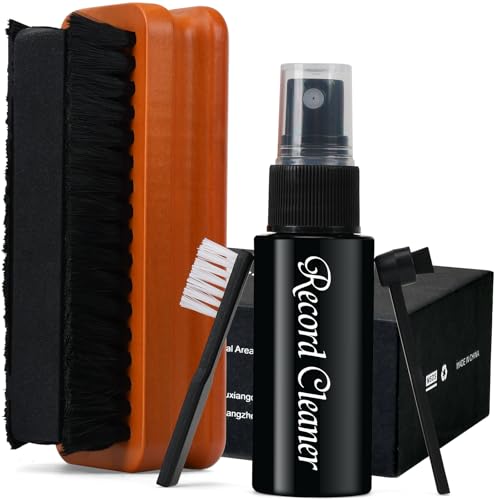
Patented Design - The record cleaning brush is made with a combination of velvet and microfiber that is tailor-made for efficient cleaning of vinyl records, effectively removing dust and minimizing noise.

【Complete Vinyl Record Cleaning Kit】 - Extreme care & regular maintenance is paramount to every vinyl album collection. This 7-in-1 vinyl record cleaning kit contains everything you need: Vinyl Record Cleaner, Velvet Brush, Microfiber Brush,Stylus Brush,Label Protector, Air Blower,Duster for Velvet Brush, Restore LPs Album.

Made by Professionals for Professionals: There are many products for record collectors today, yet our brand stands out. Recognized globally by new and old vinyl fans alike, we offer a professional vinyl cleaner and care solution for your needs.
Long-Term Storage Practices
Cleaning vinyl records is just part of the equation for preserving their charm; how you store them plays an equally significant role in their longevity. It’s fascinating to think that even a slight change in temperature can cause warping—so aim to keep your storage conditions between 65°F and 70°F. Consistent temperatures help too! Humidity control is essential; keep that relative humidity between 40% and 50% to combat mold growth. If your basement is damp, avoid it like the plague! Stack your records upright; horizontal storage is a nightmare waiting to happen. Invest in quality inner and outer sleeves and check their environment regularly. Treat your vinyl like a fine wine, and it’ll age beautifully—minus the corkscrew!
Final Thoughts on Record Care
While many of us have fond memories of vinyl records, from the crackling sounds of a favorite album spinning on a turntable to the tangible connection we feel with the music, taking care of these treasures is essential for preserving that history. Vinyl preservation isn’t only about the nostalgia; it’s also about practical steps. I recommend using a carbon fiber brush to clear dust before and after playing. Don’t forget to clean your records with a mix of distilled water and specialized cleaning fluid regularly—your cleaning frequency should be determined by how often you play them. Remember, gentle handling and proper storage can make a world of difference. Treat your records well, and they’ll keep spinning beautifully for years to come.
Frequently Asked Questions
Can Cleaning Vinyl Records Improve Sound Quality?
You won’t believe how much sound enhancement can come from the right cleaning techniques. I’ve experienced crystal-clear highs and rich bass after a proper clean. Trust me, your vinyl collection deserves this transformative attention!
How Often Should I Clean My Vinyl Records?
I usually clean my vinyl records often, based on frequency recommendations. I use a carbon fiber brush before each play, and for deeper cleaning, I pick gentle cleaning products when visible grime appears. Maintaining my collection’s quality is key.
Is It Safe to Use Tap Water for Cleaning?
I wouldn’t recommend using tap water for cleaning. The water quality can introduce minerals and impurities, harming your records. Instead, I prefer using distilled water with effective cleaning methods to guarantee their longevity and sound quality.
What’S the Best Way to Dry Cleaned Records?
Isn’t it fascinating how drying techniques can make or break your vinyl experience? I prefer air drying with clean washcloths, gently dabbing avoiding labels. Using these drying materials keeps my records pristine for years to come.
Can I Use Baby Wipes to Clean Vinyl?
I’ve found baby wipe effectiveness can be tempting for quick cleans, but I prefer record cleaning alternatives like dish soap and distilled water. They’re safer for maintaining my vinyl’s condition over time.